

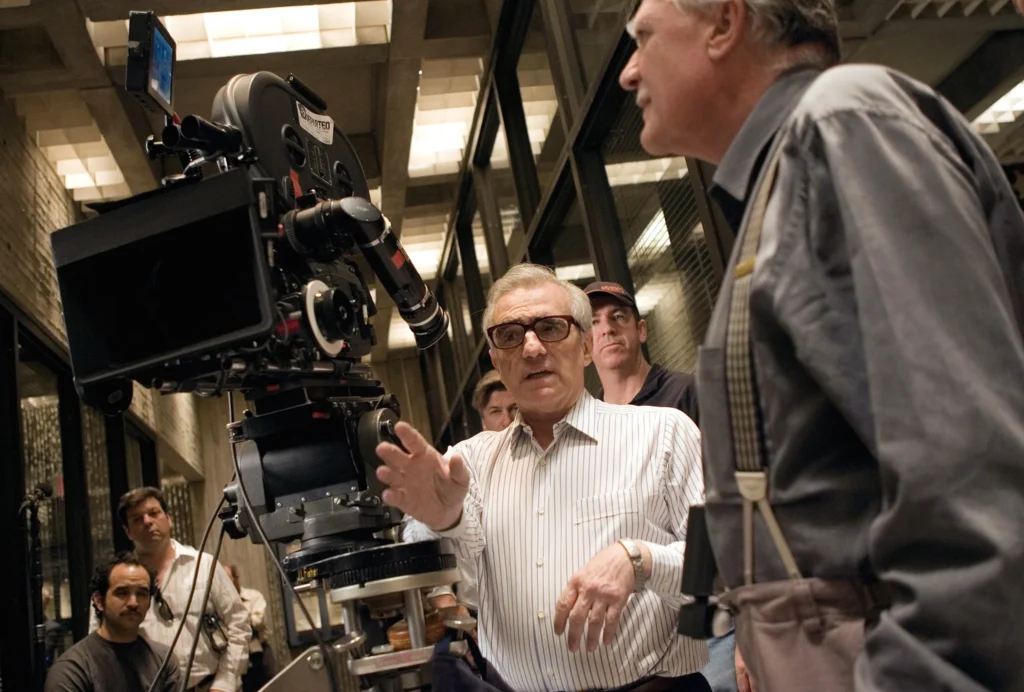
Der 1943 geborene Filmemacher Martin Scorsese wuchs in Manhattans Little Italy auf, verbrachte sein ganzes Leben in der Stadt und ist New Yorker durch und durch. Fast die Hälfte seiner Werke spielen hier, oft im zeitgenössischen New York, wie Filme wie ‚Taxi Driver‘ oder ‚Wolf of Wall Street‘, manchmal im New York des 19. Jahrhundert wie ‘Zeit der Unschuld‘ oder ‚Gangs of New York.’
Während viele Regisseure die Stadt als Schauplatz für ihre Filme nutzen, konnten nur wenige die Metropole so zum Leben bringen wie der Italo-Amerikaner. Hier eine chronologische Liste von 12 Scorsese-Filmen, deren Handlung sich zumindest zu einem wesentlichen Teil in New York abspielt.
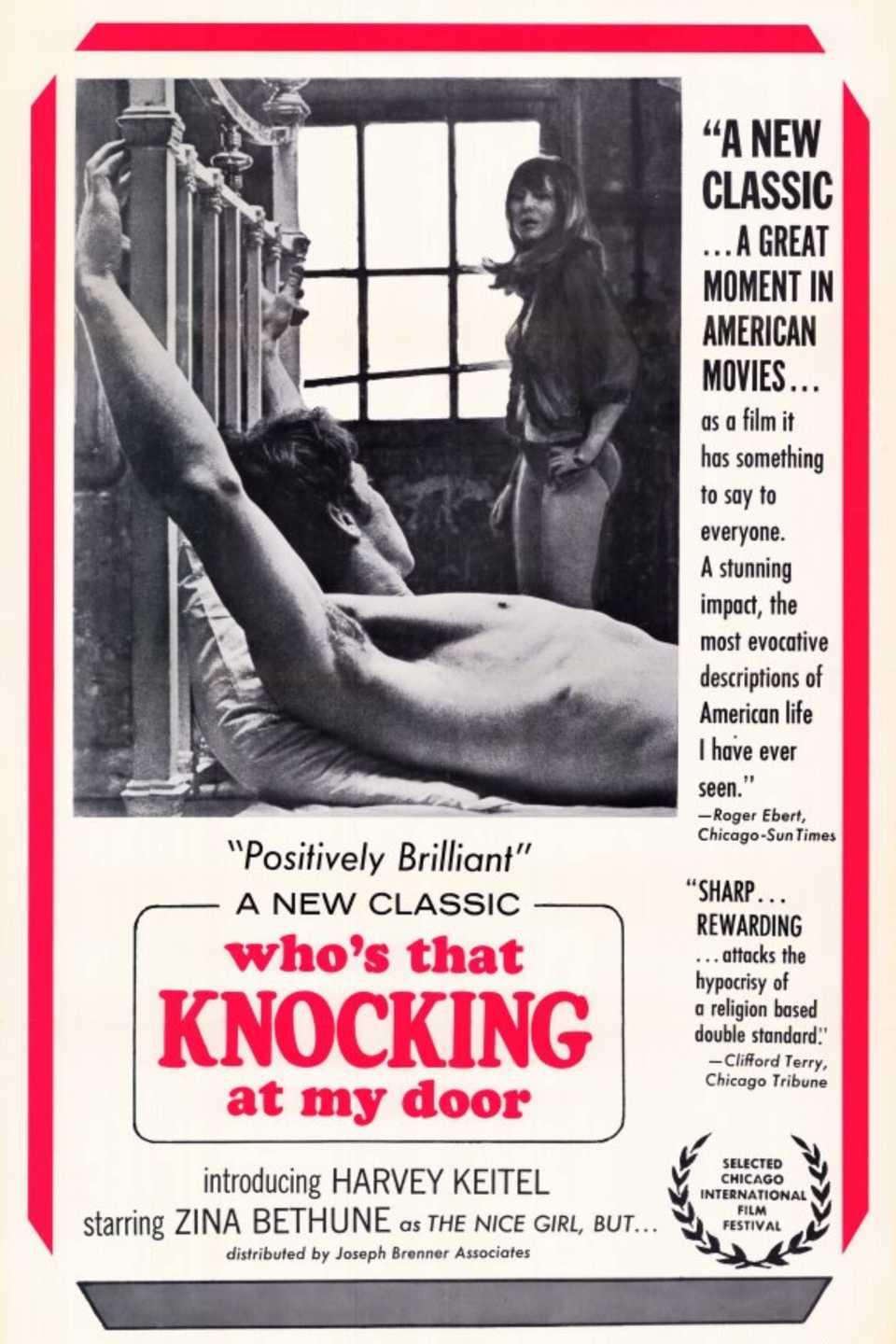
Who’s that knocking at my door (Wer klopft denn da an meine Tür?) – 1967
Mit : Harvey Keitel, Zina Bethune, Ann Collette
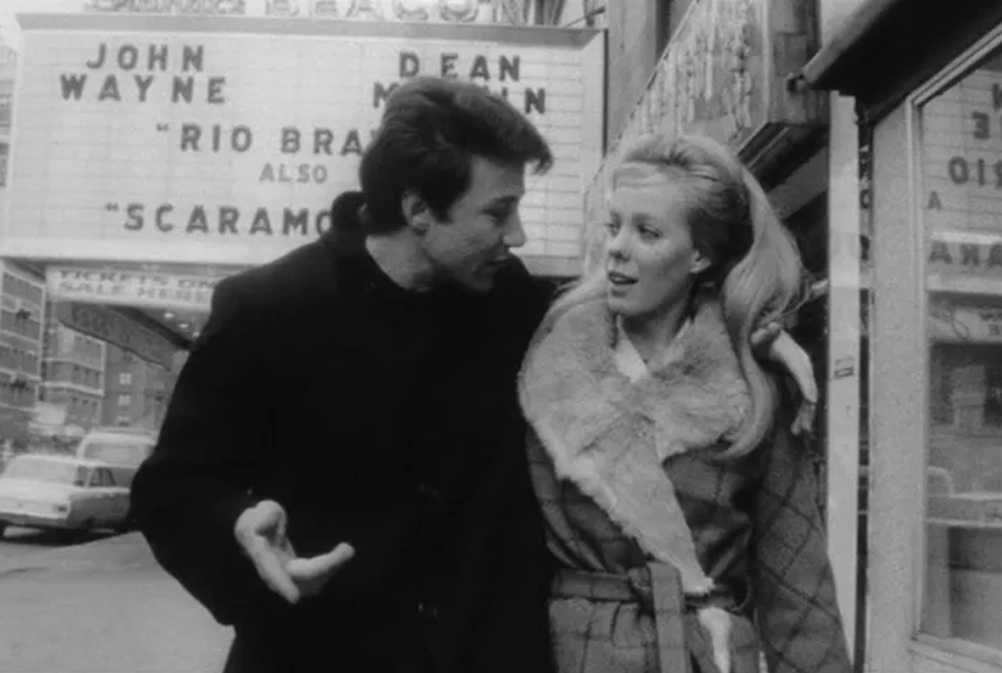
Sein Abschlussfilm an der New York University zeugt bereits von Scorseses immensem Talent. Ein junger Mann kann das Mädchen, das er mag, aufgrund ihrer bitteren Vergangenheit nicht akzeptieren. Die Stadt sieht cool aus in Schwarz-weiß und der Film ist eine schöne Zeitkapsel des südlichen Manhattan der späten 1960er-Jahre. Er markiert den Beginn von Scorseses Zusammenarbeit mit Schauspieler Harvey Keitel.
Man kann ‚Who’s that knocking at my door‘ als Aufwärmübung für ‚Mean Streets (Hexenkessel)‘ betrachten – einen Film, in dem ebenfalls Harvey Keitel die Hauptrolle spielte und in dem Scorsese als Filmemacher endgültig zu seiner eigenen Handschrift fand.
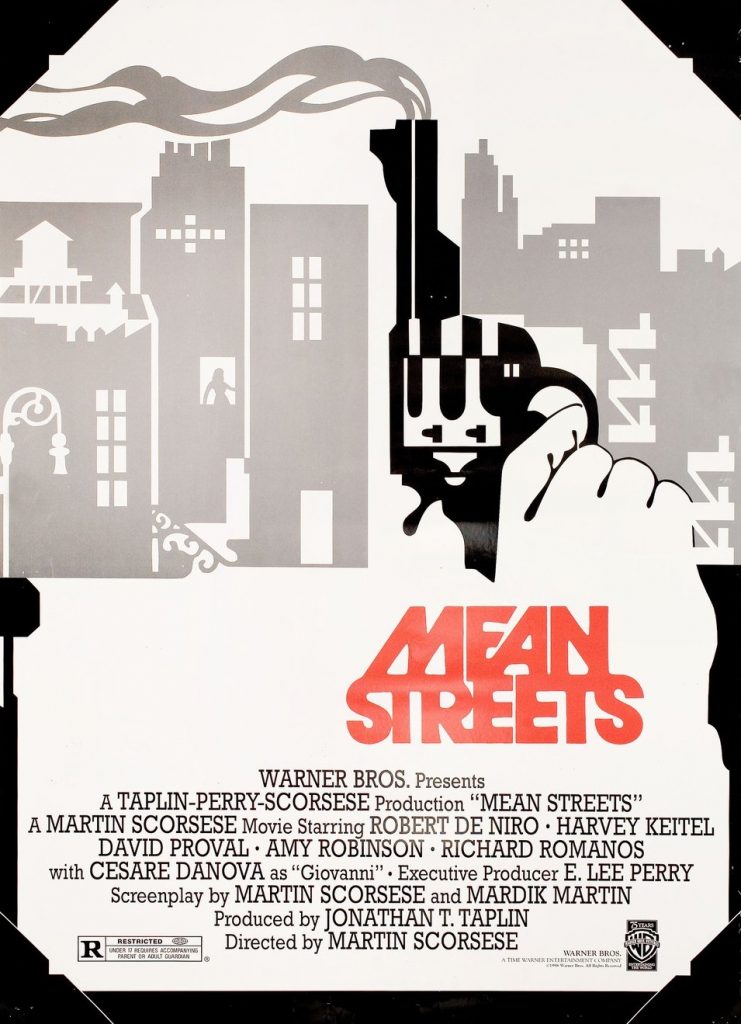
Mean Streets (Hexenkessel) – 1973
Mit: Robert De Niro, Harvey Keitel, David Proval
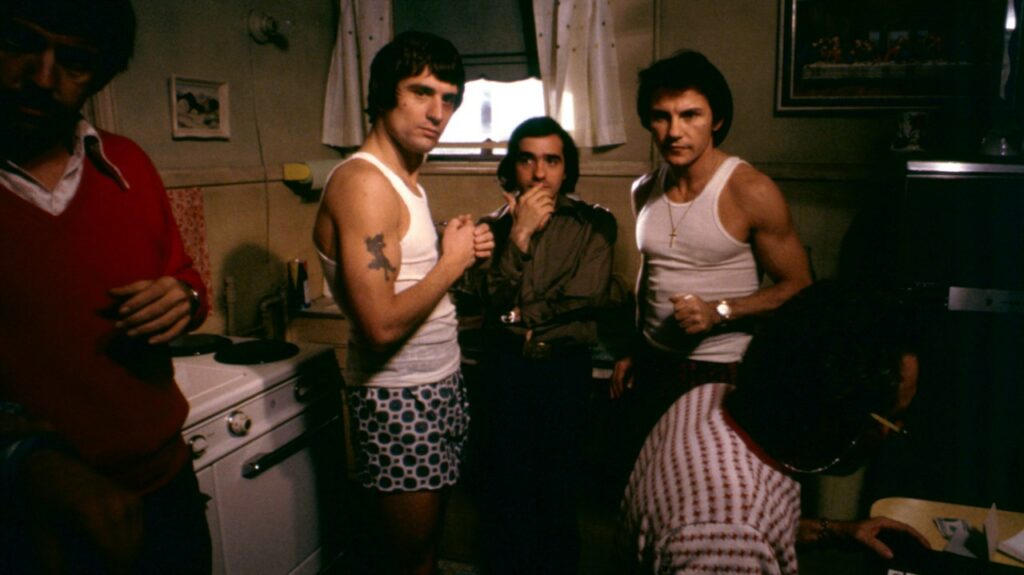
‚Mean Streets‘ ist der erste von mehreren Scorsese-Filmen, in dem Robert De Niro eine wichtige Rolle spielt und zugleich Scorseses erster echter Krimi bzw. Gangsterfilm und der erste, der seinen eigenen Stil als Regisseur zeigt. Die Straßen von New York wirken in diesem Film tatsächlich „mean“ (gemein); doch genau diese chaotische Brutalität wird auf überragende Weise eingefangen – und so hat der Film auch 53 Jahre nach seiner Entstehung nichts von seiner Kraft eingebüßt.
Taxi Driver – 1976
Mit: Robert De Niro, Jodie Foster, Albert Brooks
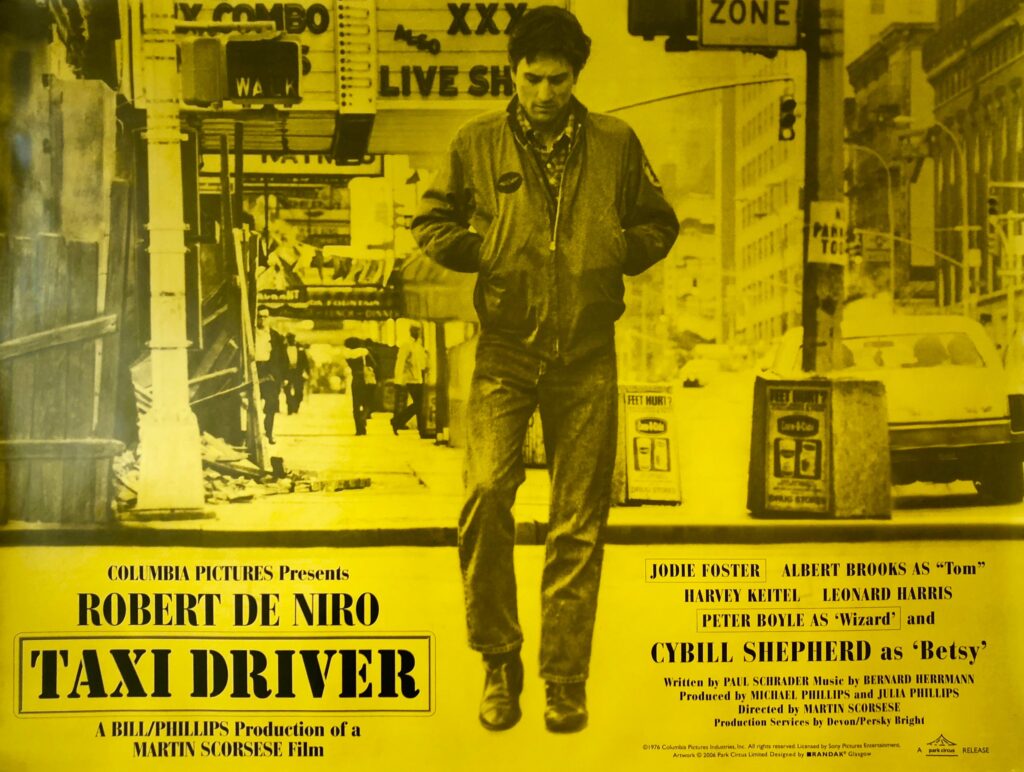
Eines der ganz großen Werke und in der Meinung vieler, der vielleicht beste New York Film schlechthin.
In den 1970er-Jahre befand sich New York in einer tiefen Krise. Die Kriminalität war hoch, die Wirtschaft schlecht und Vertrauen in die Zukunft kaum vorhanden. Der Rest Amerikas empfand die Stadt als kaputten Sündenpfuhl, den man subventionierte, aber wo trotzdem immer alles schlechter wurde. Vielleicht kein Film fängt die Atmosphäre dieser Zeit besser ein als Regisseur Martin Scorseses ‘Taxi Driver‘, der vor genau 50 Jahren in die Kinos kam.
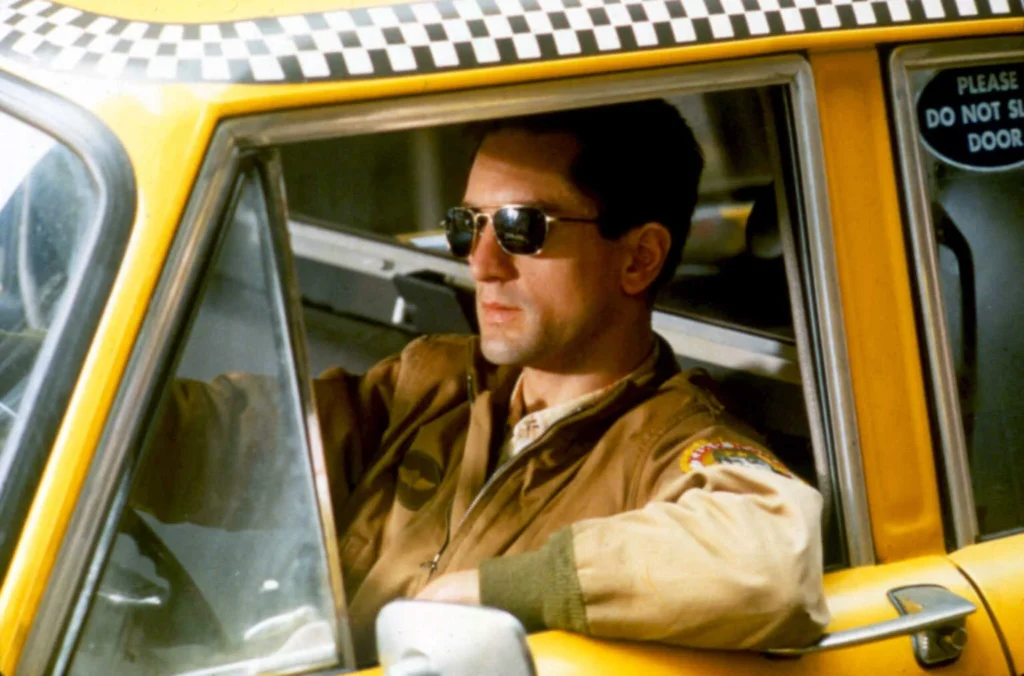
Travis Bickle (Robert De Niro) ist Ex-Soldat, der als ,Taxi Driver’ durch das nächtliche New York fährt. Er empfindet die Stadt als einen höllischen Sumpf voller menschlichen Abschaums.
Während des Vorspanns sieht man seine obere Gesichtshälfte. Er blickt mit flüchtiger Neugier und unverkennbarer Verachtung auf die Welt um ihn herum, die sich in seinem Gesicht widerspiegelt. Neonreklamen und vorbeifahrende Autolichter tanzen auf seinen Augen.
Aus Travis Perspektive ist New York nur von Prostituierten, Zuhältern und anderen zwielichtigen Gestalten bevölkert und er gibt der Stadt die Schuld für sein gequältes Dasein. So kritzelt er Sachen in sein Tagebuch wie: „Gott sei Dank für den Regen heute Nacht, der den menschlichen Müll von den Bürgersteigen gespült hat.“
Seine Windschutzscheibe mag Travis das Gefühl geben, sich von dem „Abschaum“ abzugrenzen, den er um sich herum sieht, doch Regisseur Scorsese macht von den ersten Minuten des Films an deutlich, dass er selbst Teil dessen ist, was er verachtet.
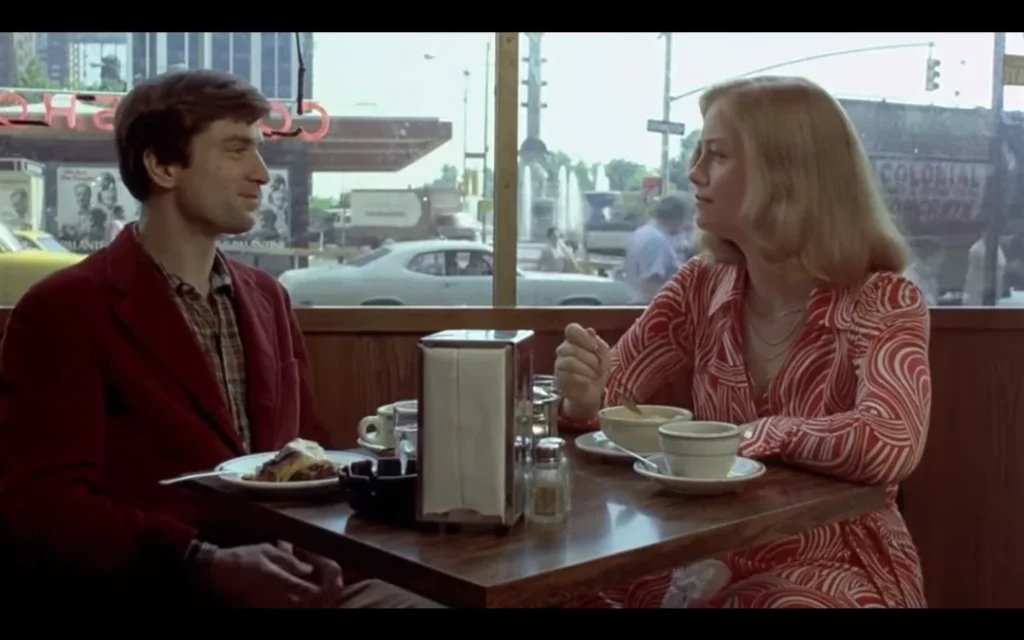
Ein Strang der Handlung ist Travis‘ Besessenheit mit Betsy (Cybill Shepherd), die für Präsidentschaftskandidaten Charles Palantine arbeitet und sich auf ein Date mit ihm einlässt, weil er mit seiner scheinbar unschuldigen Hartnäckigkeit anfänglich irgendwie charmant wirkt. Travis bringt die nichts ahnende Frau bei dieser Gelegenheit in eines der Pornokinos, die damals den Times Square bevölkerten.
In einer Szene steigt Betsys Boss Palantine in Travis‘ Taxi und fragt ihn, welches politische Thema ihm am meisten Sorgen bereitet. Die Frage ist als nichts weiter gemeint als der übliche Small Talk eines Wahlkämpfers. Doch Travis erwidert ernst und düster: „Sie sollten diese Stadt hier säubern.“ Während seine Äußerungen immer aggressiver werden, blendet der Film zu den zunehmend verblüfften Reaktionen von Palantine und einem Mitarbeiter, die bemerken, dass sie es mit einem Psychotiker zu tun haben.
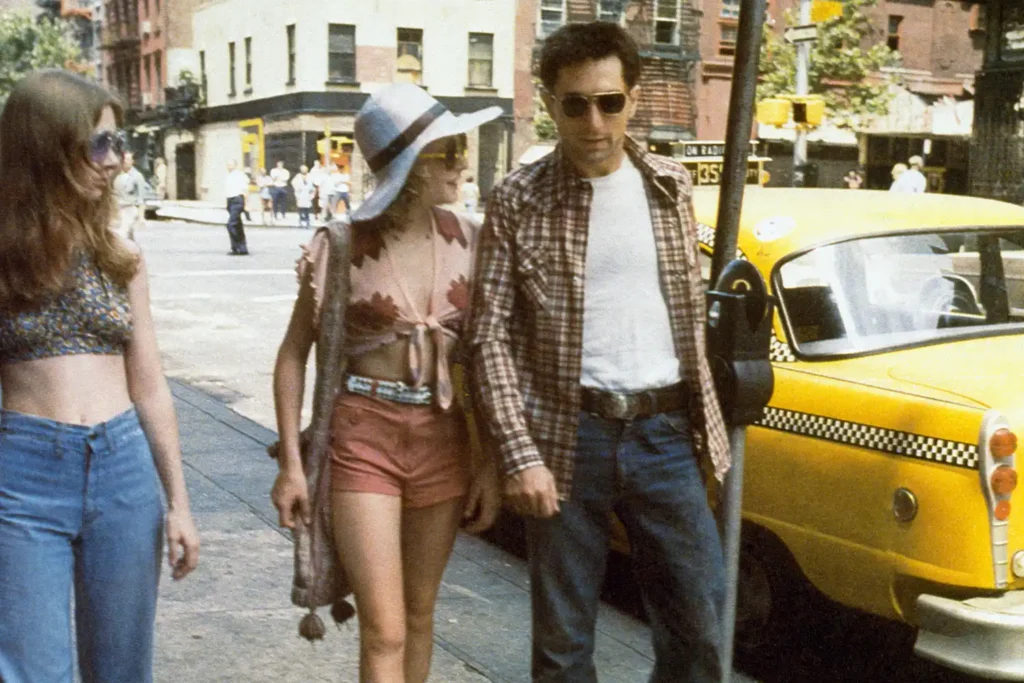
In einem anderen Strang der Handlung macht Travis die Bekanntschaft der Kinderprostituierten Iris (Jodie Foster). Er plant daraufhin nicht nur Iris’ Zuhälter zu ermorden, sondern auch den Präsidentschaftskandidaten Palantine, weil er die Schuld für das von ihm als hoffnungslos empfundene Dasein des Mädchens auch bei der politischen Klasse sieht.
Die Filmmusik zu „Taxi Driver“ war der letzte Soundtrack des legendären Komponisten Bernard Herrmann, der auch viel mit Alfred Hitchcock arbeitete. Sie ist abwechselnd sanft und aufwühlend und passt so perfekt zu dem oft seltsam gelassen wirkenden, aber innerlich brodelnden Antihelden.
New York, New York – 1977
Mit: Liza Minnelli, Robert De Niro, Lionel Stander
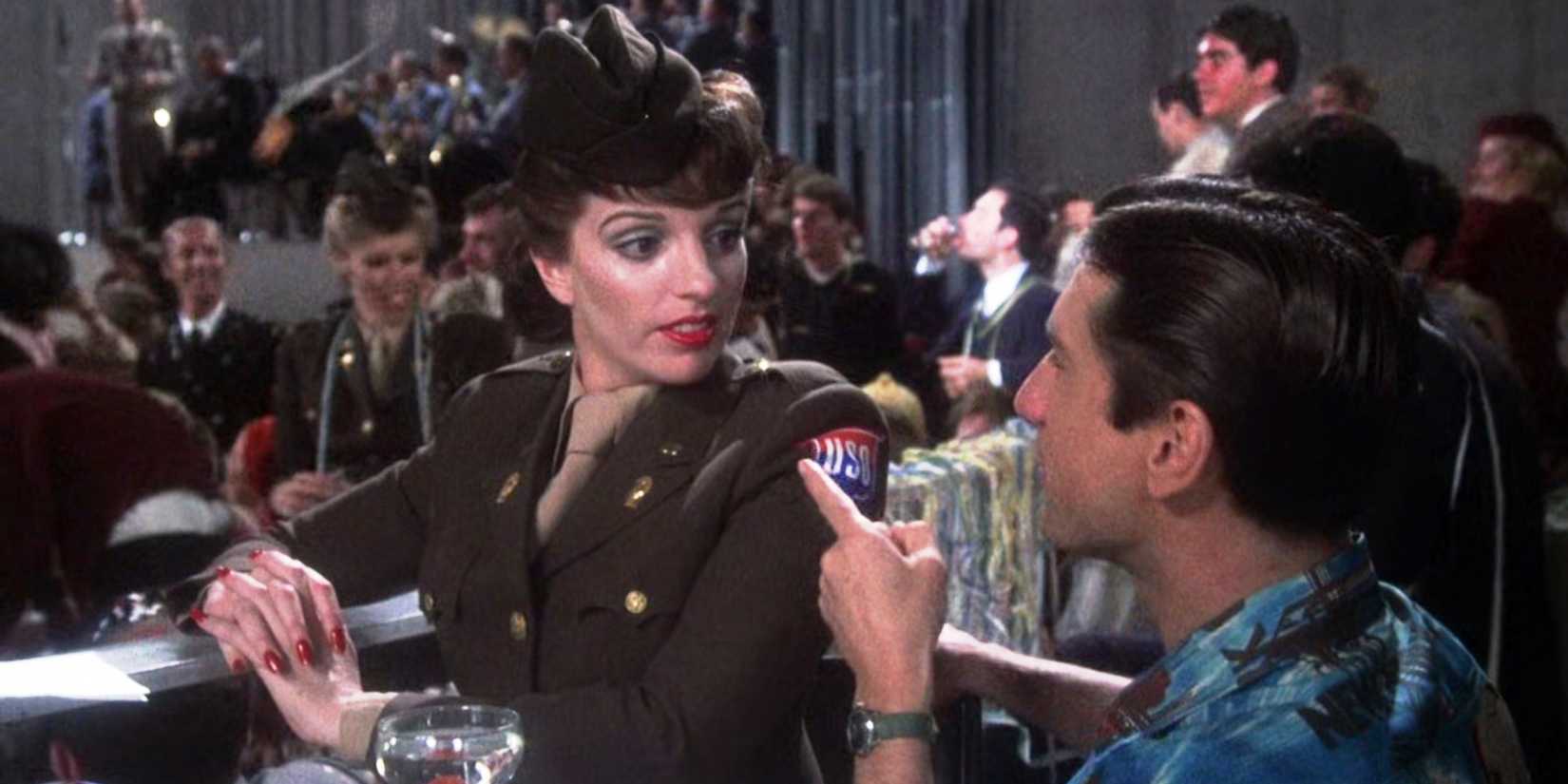
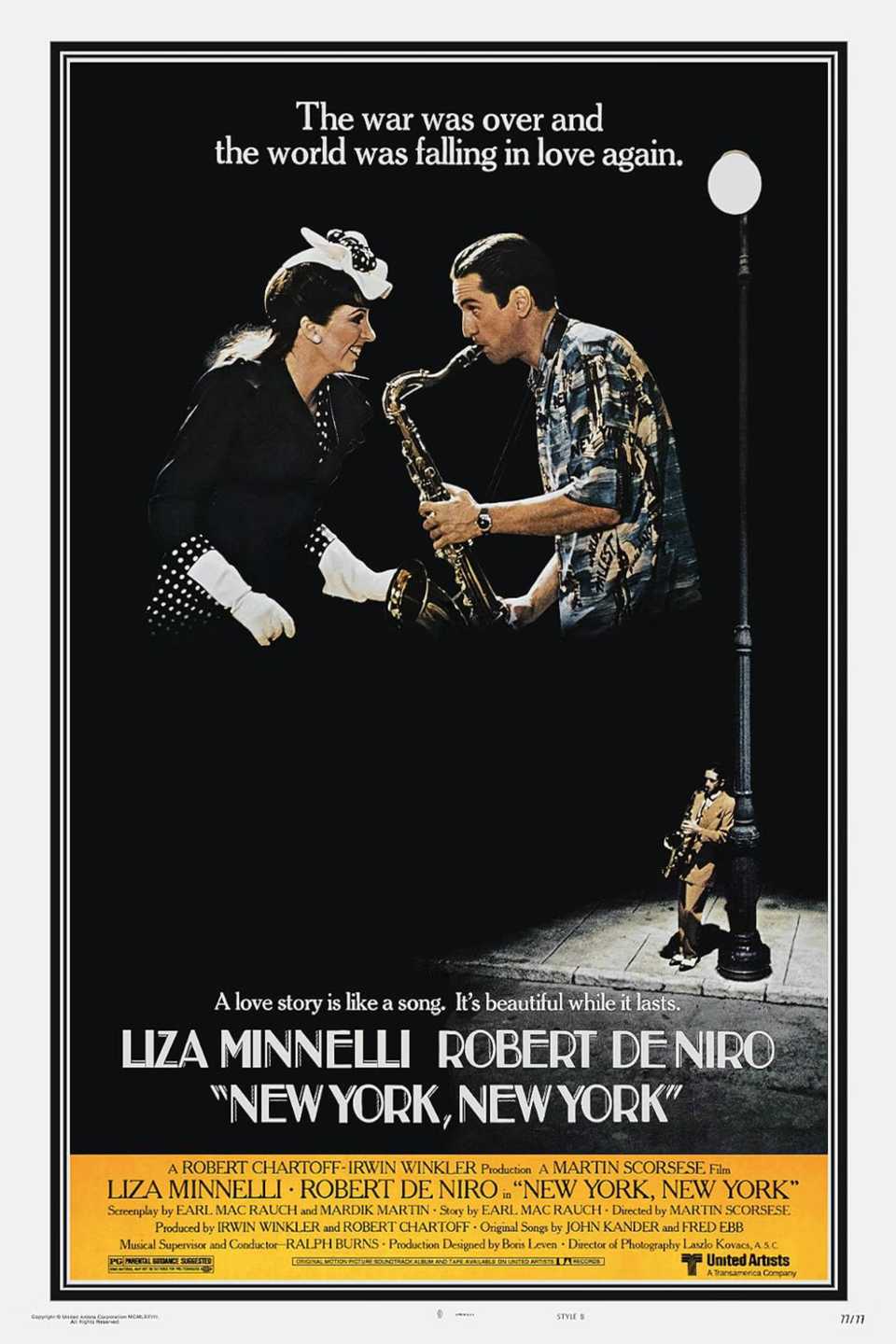
Obwohl ‚New York,New York‘ nicht als eines von Scorseses größten Werken gilt, hat der Film, der in den Jahren nach dem Zweiten Weltkrieg spielt, einiges zu bieten.
Er ist ein düsteres Quasi-Musical über die Unterhaltungsindustrie, das Verfolgen der eigenen Leidenschaften und das Navigieren durch eine Beziehung, die fast von Anfang an zum Scheitern verurteilt scheint.
‘New York, New York’ ist lang, manchmal anstrengend und von einer unerbittlichen Tristesse; doch beinhaltet mehrere spektakuläre Szenen. Die Darbietungen von Liza Minnelli und Robert De Niro sind hervorragend. Der Song ,New York, New York‘, der zu einer Hymne der Stadt wurde, wurde eigens für diesen Film geschrieben.
Raging Bull (Wie ein wilder Stier) – 1980
Mit: Robert De Niro, Joe Pesci, Cathy Moriarty
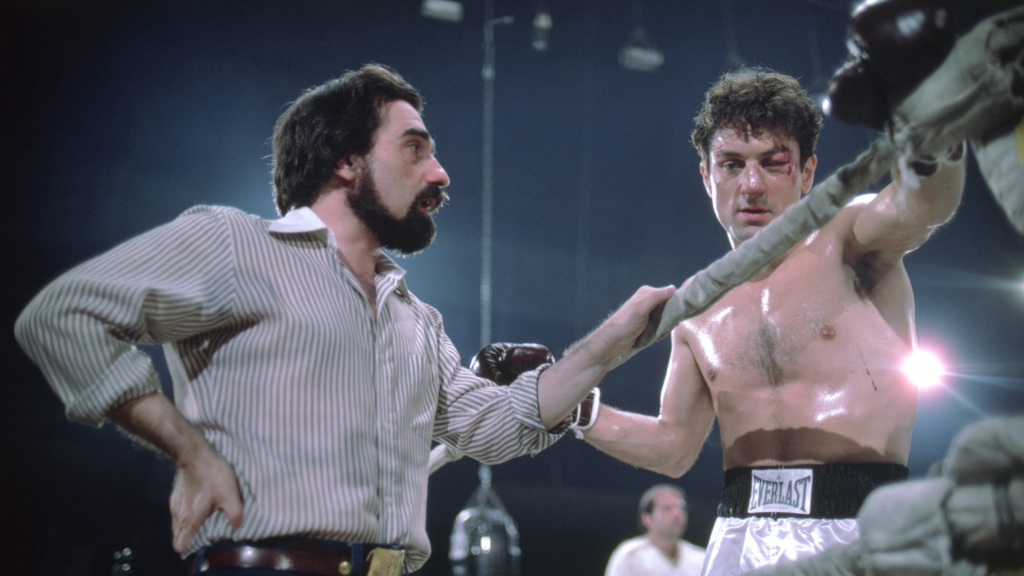
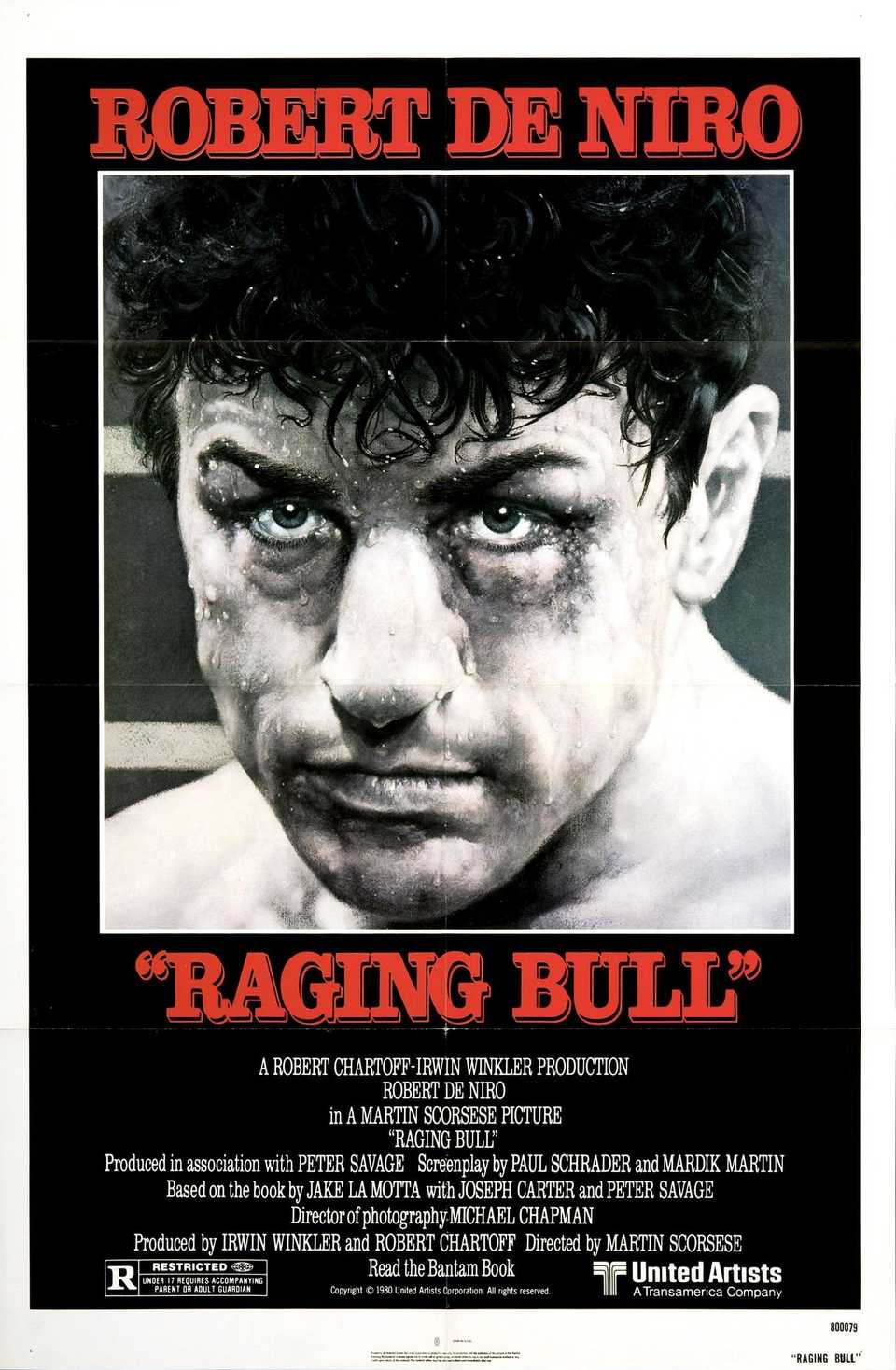
Die Handlung von ,Raging Bull‘ beginnt und endet in New York und auch ein beträchtlicher Teil der Geschehnisse dazwischen spielt in der Stadt. Es ist ein düsteres Sportdrama über den berühmten Boxer Jake LaMotta, dessen Kampfsequenzen im Ring die Gewalt, die einem normalisierten Sportereignis innewohnt, schonungslos vor Augen führt.
Doch es sind gerade die Szenen außerhalb des Rings, die am erschütterndsten sind: Sie zeigen den Zerfall von LaMottas Familienleben, wobei sein unbändiger Zorn zur Ursache für schreckliche häusliche Gewalt und psychischen Missbrauch wird. Raging Bull ist kein leicht verdaulicher Film; doch er entfaltet eine derart immense Kraft, dass man ihn mühelos nicht nur als eines von Scorseses Meisterwerken, sondern womöglich sogar als einen der besten Filme aller Zeiten würdigen kann.
The King of Comedy – 1982
Mit: Robert De Niro, Jerry Lewis, Sandra Bernhard
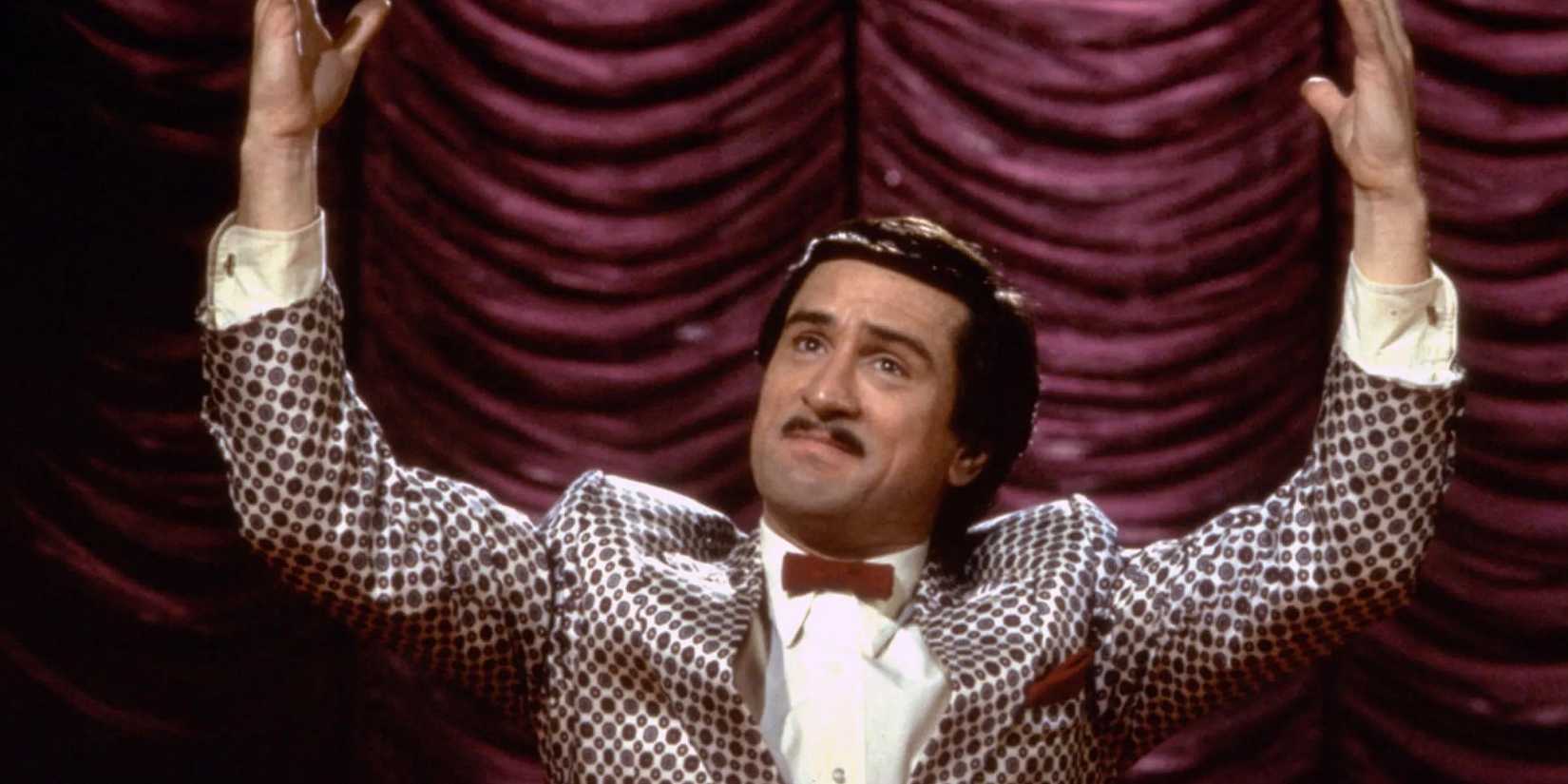
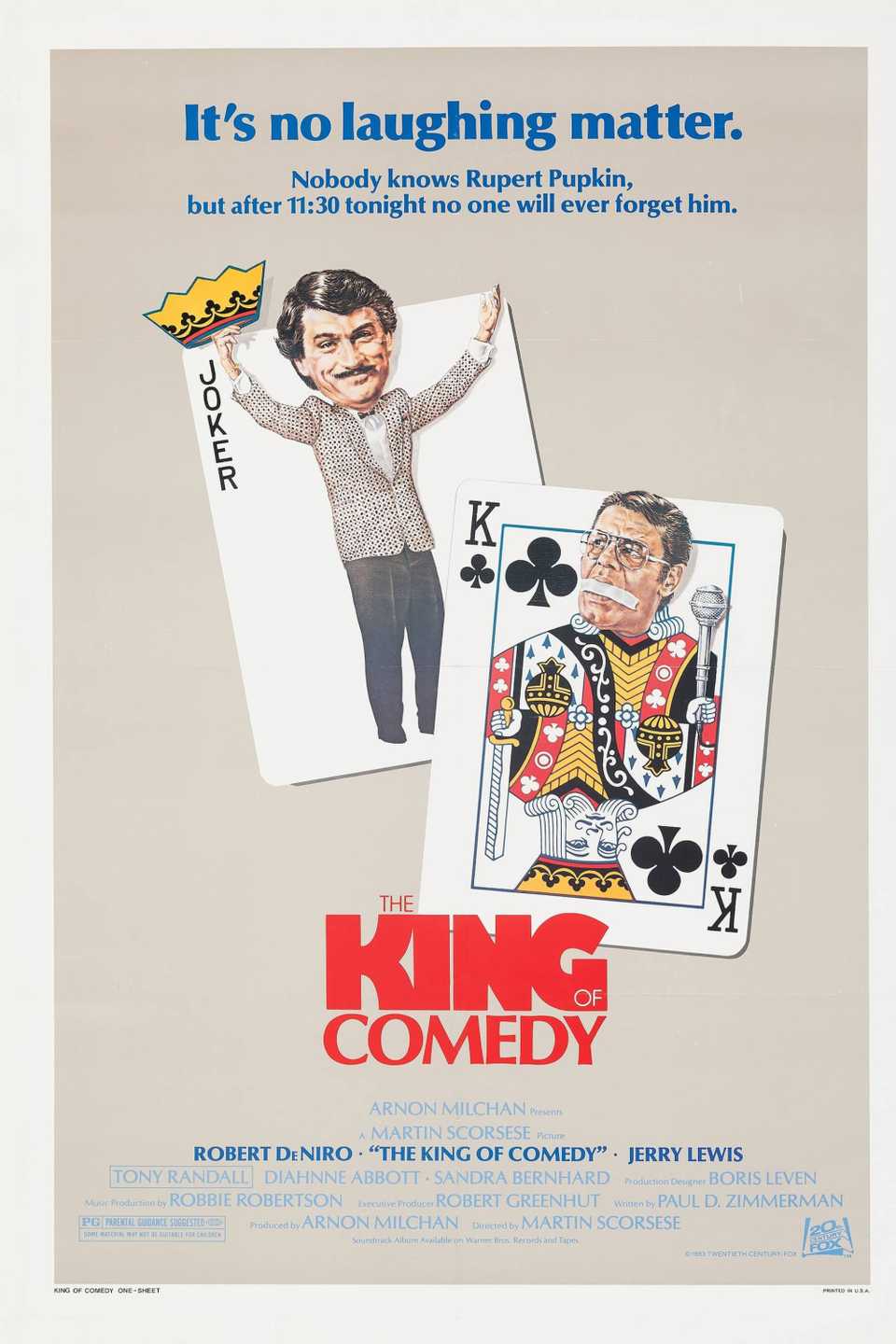
Rupert Pupkin, ein erfolgloser Stand-up-Comedian, geht bis zum Äußersten, um berühmt zu werden – ein Teil seines Plans beinhaltet die Entführung von Jerry Langford, einer Showbusiness Legende, den er abgöttisch verehrt. Trotz seines Titels – der sich darauf bezieht, als was Rupert bekannt sein möchte – handelt es sich hierbei weniger um eine Komödie, obwohl es viel schwarzen Humor in dem Film gibt, als um einen hervorragenden Thriller und faszinierendes psychologisches Drama. Der Film zeigt Jerry Lewis in einer seiner wenigen ernsten Rollen.
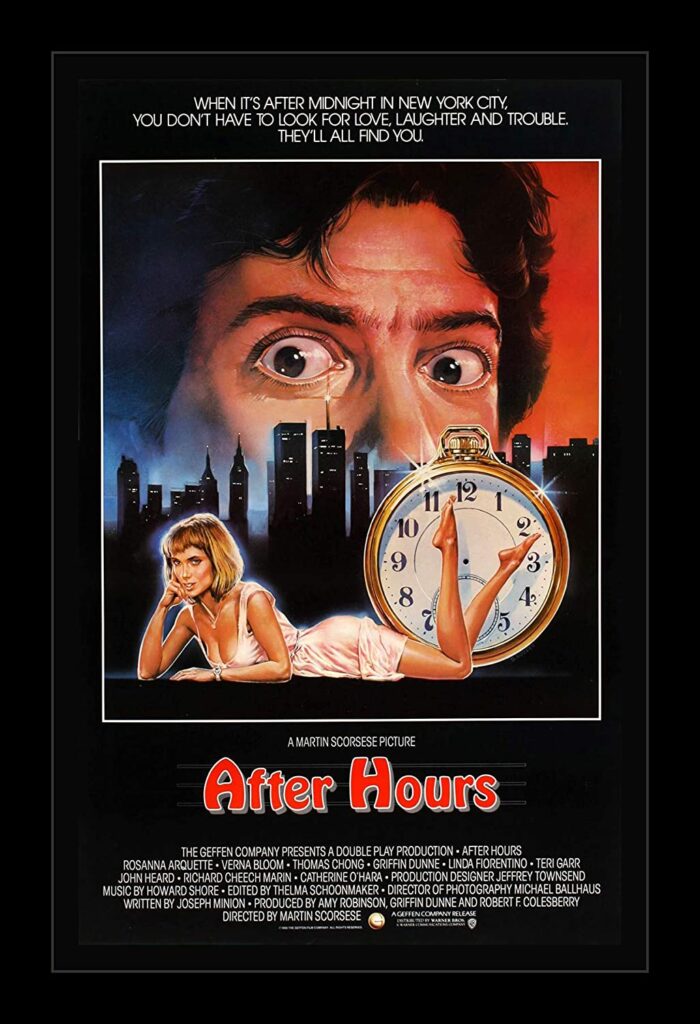
After Hours (Die Zeit nach Mitternacht) – 1985
Mit: Griffin Dunne, Rosanna Arquette, Verna Bloom
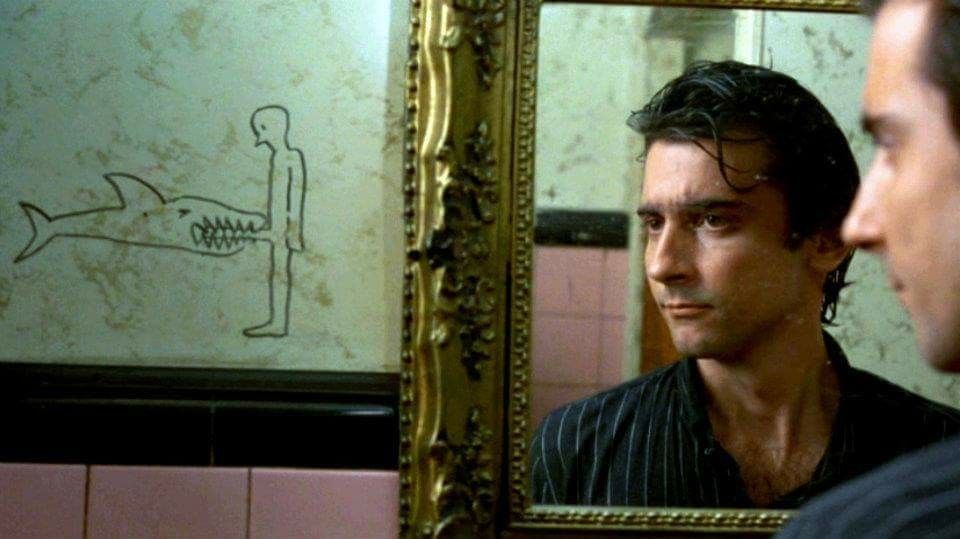
In dieser schrillen, dunklen Komödie erlebt Sachbearbeiter Paul Hackett einen Albtraum in der „Zeit nach Mitternacht“, als er sich entschließt, ein Mädchen zu treffen, das er am gleichen Tag in einem Café kennengelernt hat. SoHo, wo der Film spielt, ist heutzutage ein Shoppingparadies. In der Mitte der 1980er Jahre fand man dort noch eine menschenleere Gewerbewüste, S/M-Clubs und viele seltsame Gestalten.
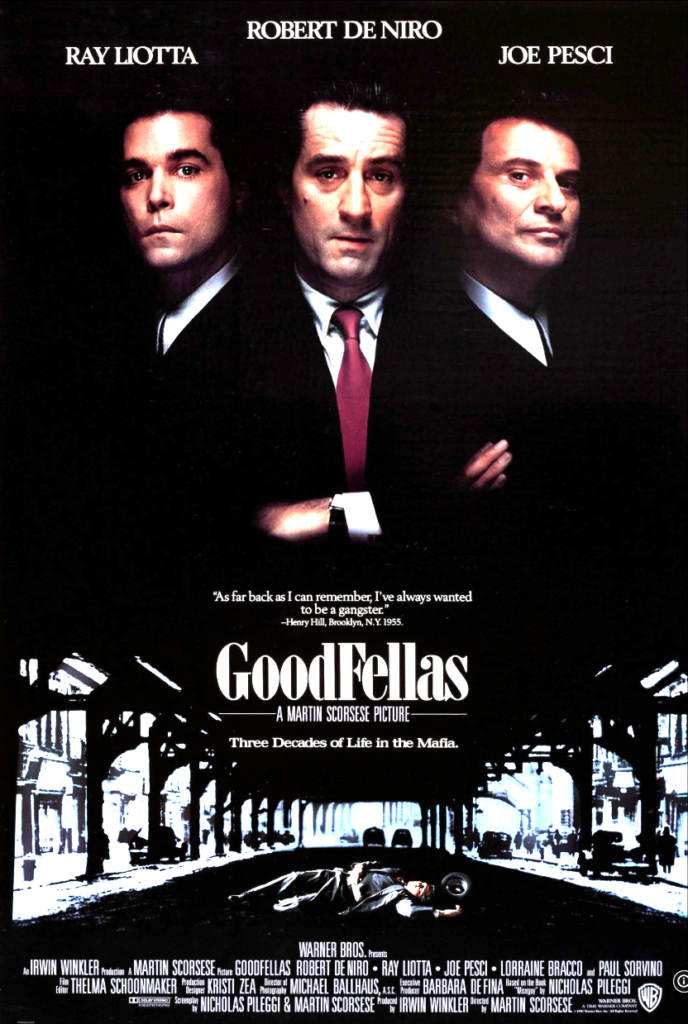
Goodfellas – (GoodFellas-drei Jahrzehnte in der Mafia) – 1990
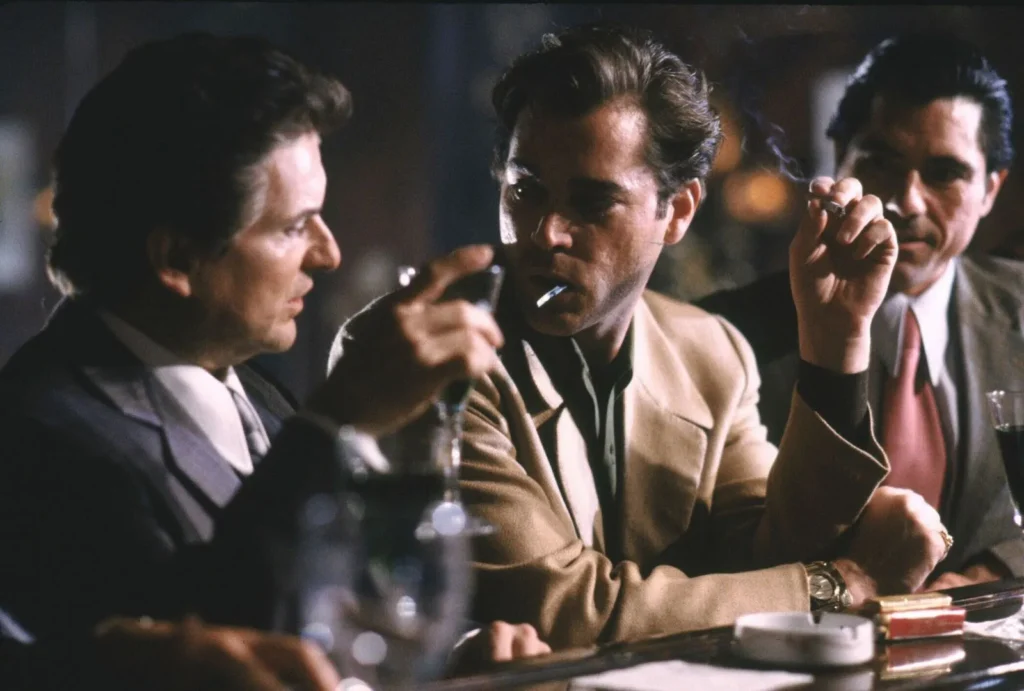
Mit: Ray Liotta, Robert De Niro, Joe Pesci
Die Handlung erstreckt sich über viele Jahre. Im Mittelpunkt steht Henry Hill und seine außergewöhnlichen Erlebnisse innerhalb der Mafiawelt; das Publikum begleitet ihn durch all seine Höhen und Tiefen, während er scheinbar mühelos dahingleitet – unfähig jedoch, über einen bestimmten Punkt hinauszukommen, gemäß den Spielregeln, nach denen alle Mafiosi leben. Goodfellas ist witzig, intensiv, gewalttätig, einzigartig, unterhaltsam, stilvoll und schockierend. Der Film bietet alles, was man sich von einem Gangsterfilm wünschen kann – und einiges mehr.
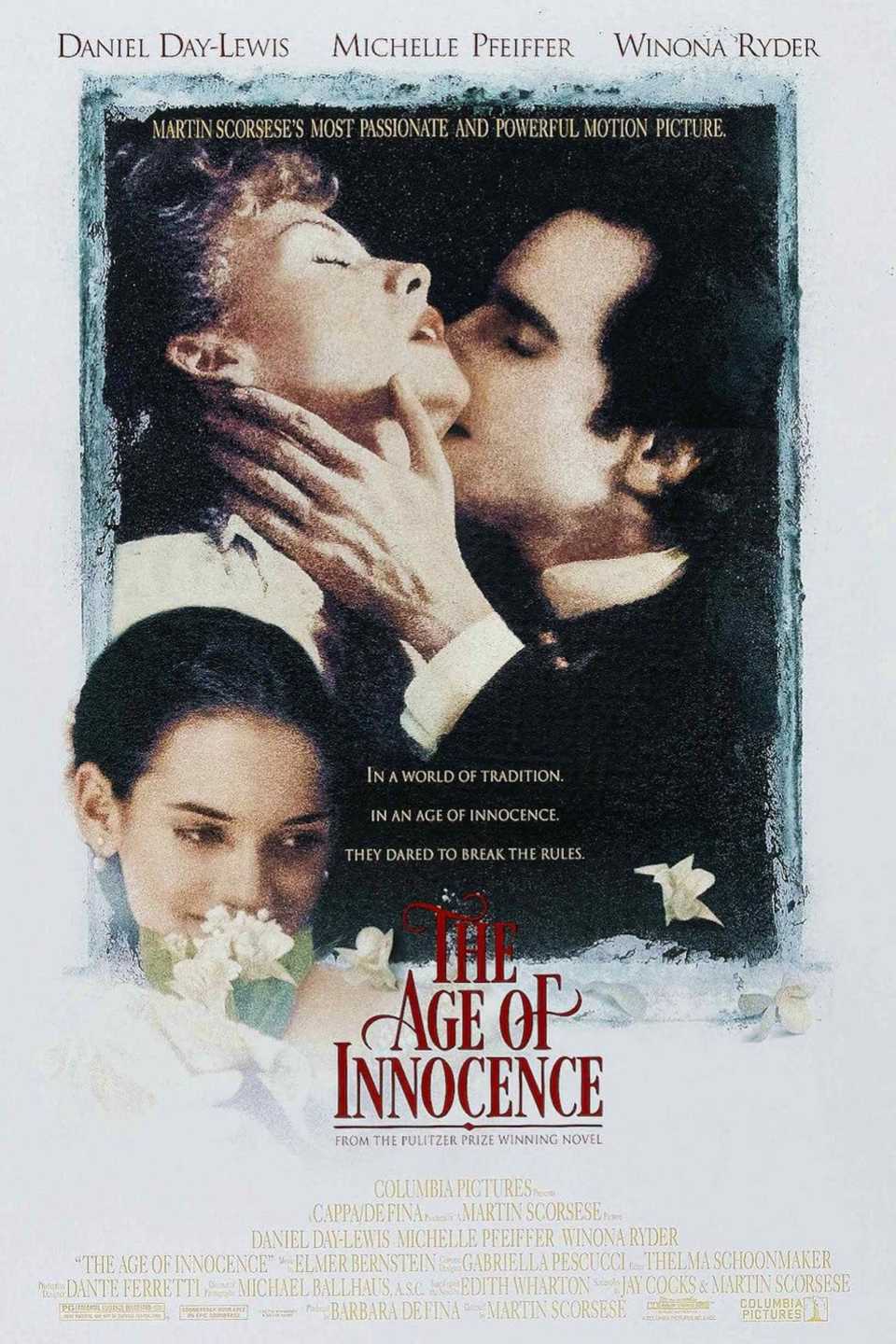
The Age of Innocence (Zeit der Unschuld) – 1993
Mit: Daniel Day-Lewis, Michelle Pfeiffer, Winona Ryder
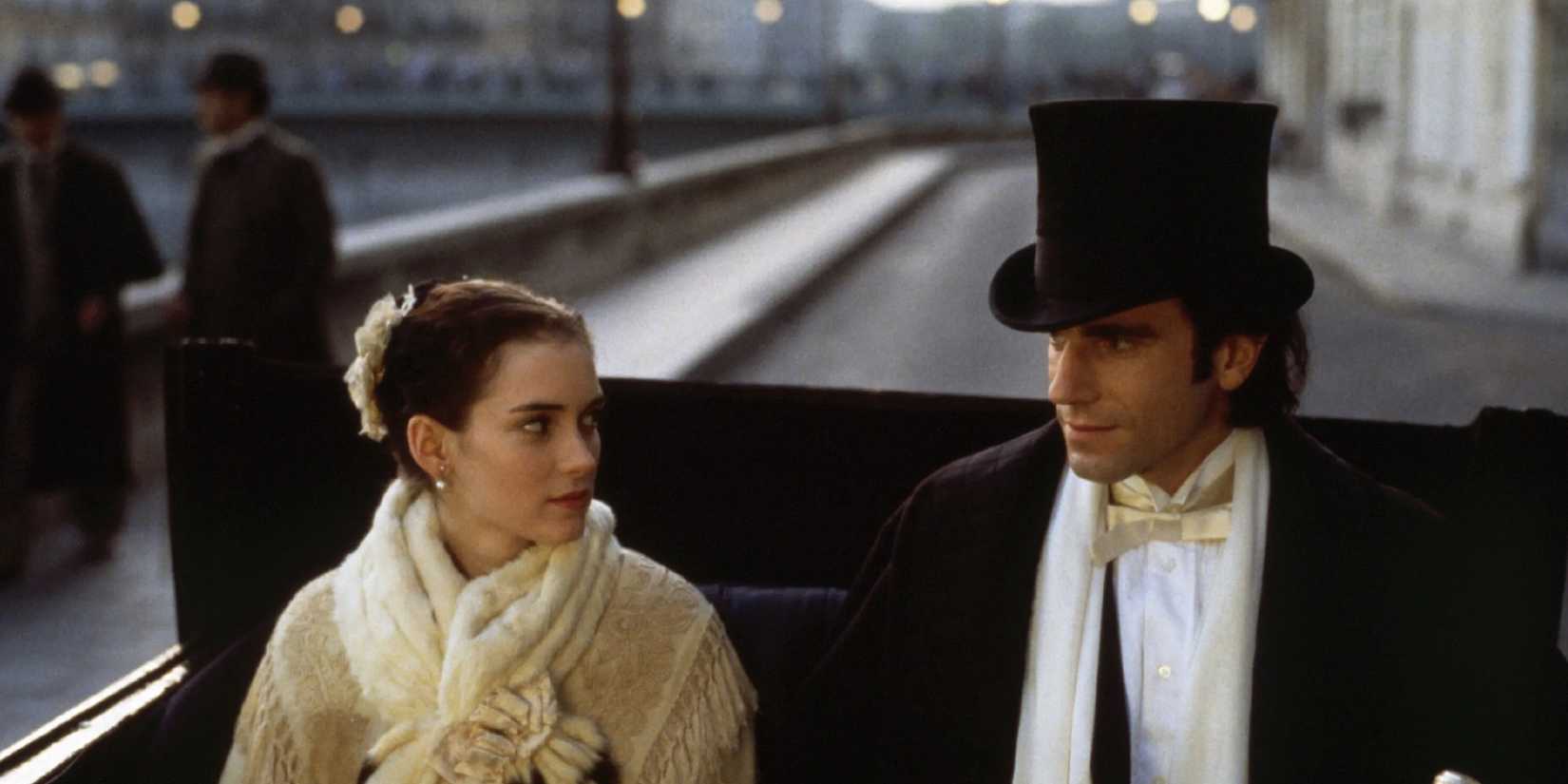
Eine Erzählung aus der New Yorker High Society des 19. Jahrhunderts, in der sich ein junger Anwalt in eine von ihrem Ehemann getrennt lebende Frau verliebt – während er selbst mit der Cousine dieser Frau verlobt ist. Der Film ist sanfter und stärker auf weibliche Charaktere fokussiert als die meisten anderen Filme von Scorsese. Vorlage war der berühmte, gleichnamige Roman von Edith Wharton.
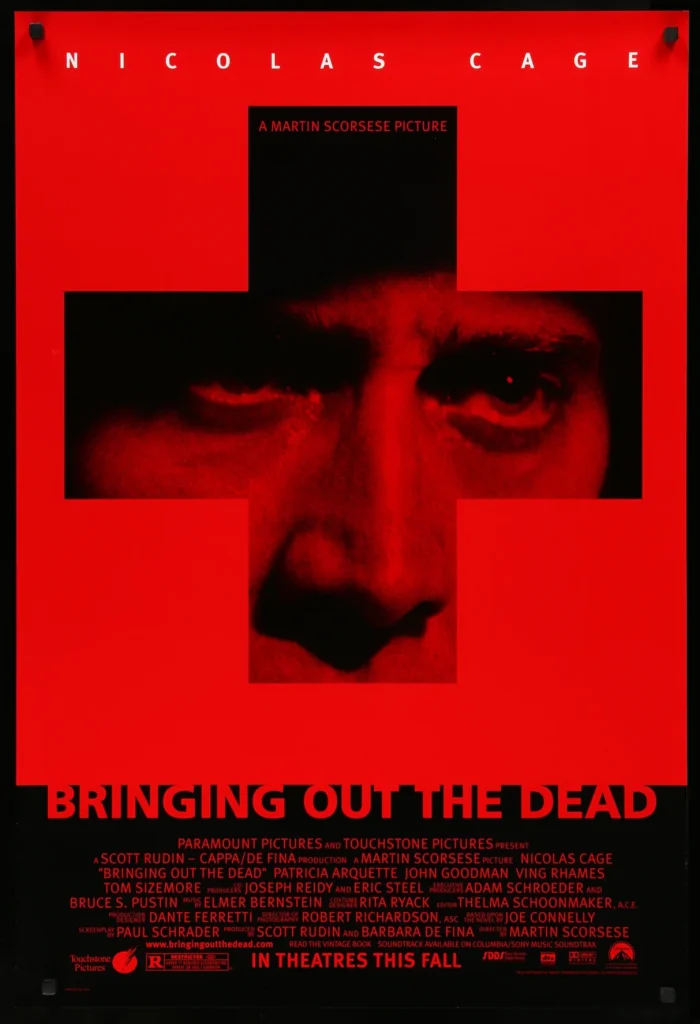
Bringing Out the Dead (Bringing Out the Dead – Nächte der Erinnerung) – 1999
Starring: Nicolas Cage, Patricia Arquette, John Goodman
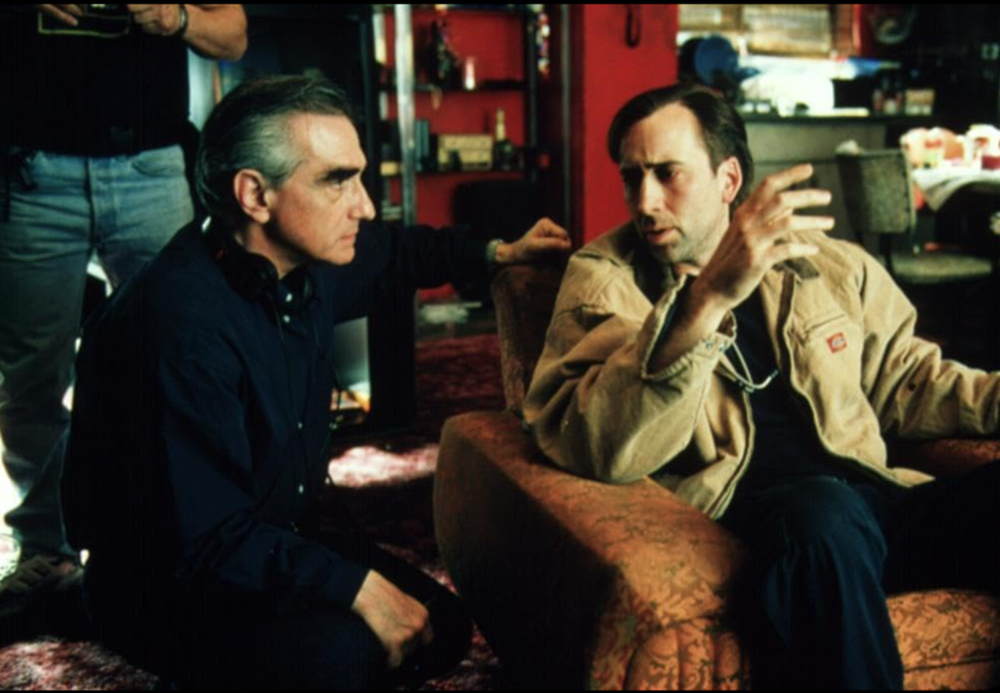
,Bringing Out the Dead‘ ist einer von Marin Scorseses düstersten und unerbittlichsten Filmen, geprägt von extremer Anspannung und albtraumhaften Zügen. Die Hauptfigur ist ein von Nicolas Cage verkörperter Rettungssanitäter; der Film begleitet ihn dabei, wie er angesichts einer Reihe fortwährend bizarrer und nervenaufreibender Schichten psychisch immer weiter zerfällt.
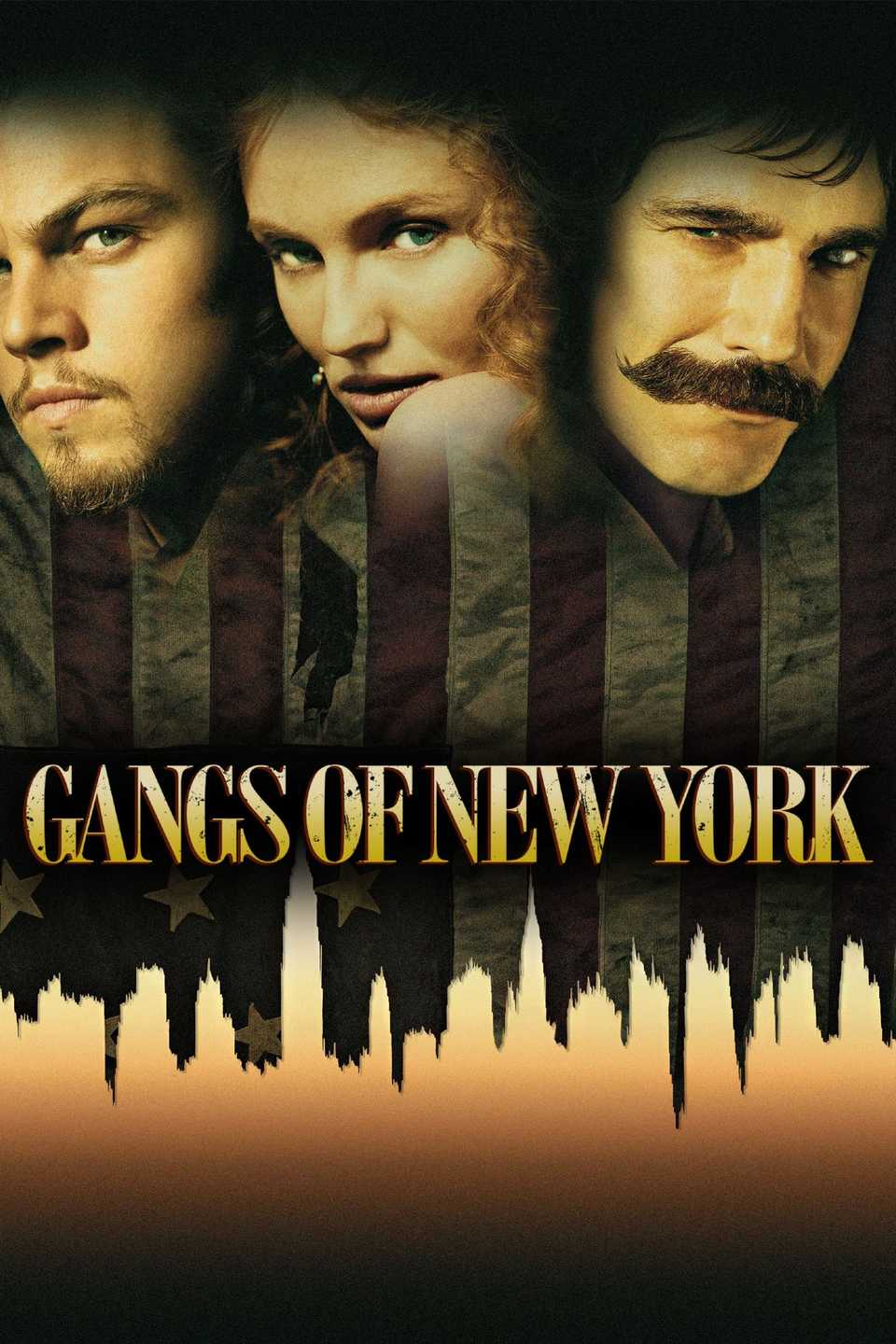
Gangs of New York – 2002
Mit: Leonardo DiCaprio, Daniel Day-Lewis, Cameron Diaz
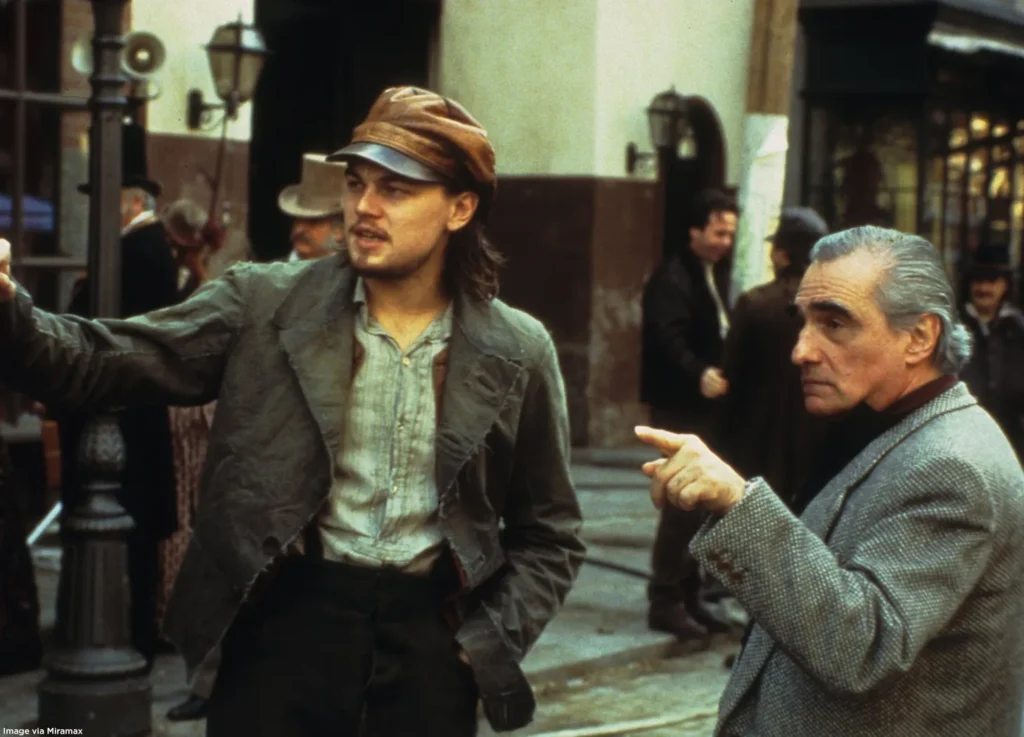
,Gangs of New York‘ entführt uns in ein New York, das zeitlich noch weiter zurückliegt als jenes aus ,Zeit der Unschuld‘. Der Großteil der Handlung spielt in den frühen 1860er-Jahren. Die Stadt und hier besonders das Five Points Ghetto im südlichen Manhattan wird in ihrer Rauheit, ihrer Gewalttätigkeit und ihrem Chaos gezeigt. Banden, Polizei und andere ringen um Vorherrschaft.
Amsterdam Vallon (Leonardo DiCaprio) ist ein junger irischer Einwanderer, der aus dem Gefängnis entlassen wird. Er kehrt in die Five Points zurück, um Rache an dem Mörder seines Vaters zu üben: William Cutting (Daniel Day-Lewis), einem mächtigen, einwandererfeindlichen Bandenführer. Er weiß, dass er seine Rache nur erlangen kann, indem er in Cuttings inneren Zirkel eindringt. Amsterdams Weg entwickelt sich zu einem Kampf um das eigene Überleben – und darum, den Iren im New York der 1860er-Jahre einen Platz zu erkämpfen.
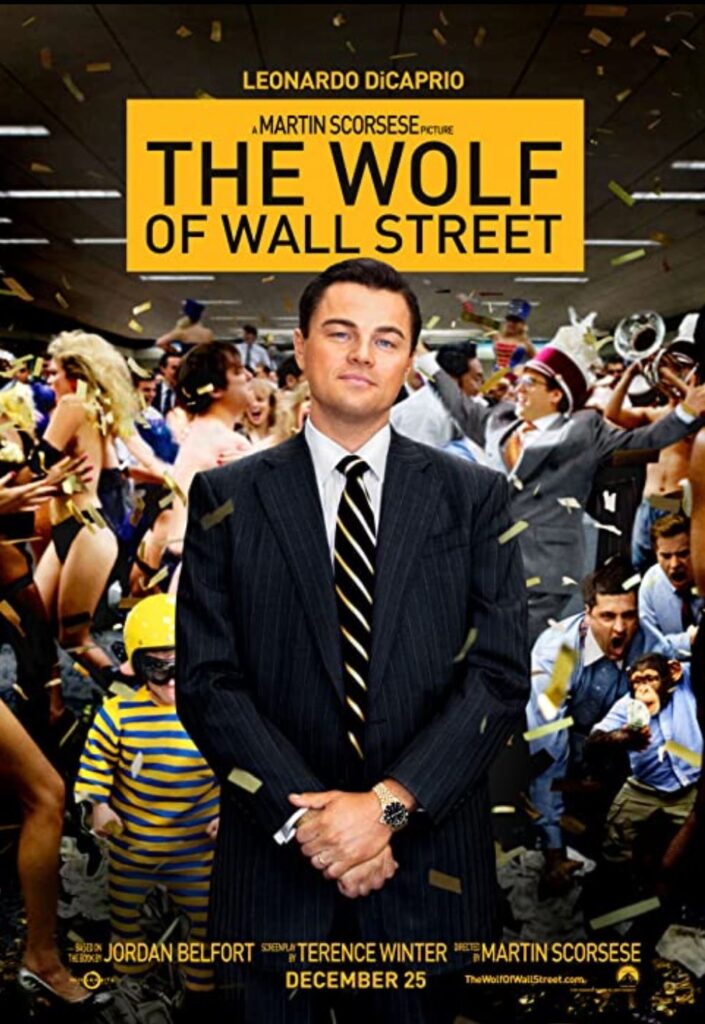
‚The Wolf of Wall Street – 2013
Mit: Leonardo DiCaprio, Jonah Hill, Margot Robbie

,The Wolf of Wall Street‘ erzählt die Geschichte von Jordan Belfort (Leonardo DiCaprio), einem Börsenmakler, der sich durch massivem Wertpapierbetrug und Geldwäsche von einer Einstiegsposition bis an die Spitze seines eigenen Unternehmens, Stratton Oakmont, hocharbeitet. Befeuert von grenzenloser Gier, Drogenmissbrauch und extremem Hedonismus scheffelt Belfort Millionen; sein krimineller Lebensstil ruft jedoch das FBI auf den Plan, was schließlich zu seinem Fall und seiner Verurteilung führt.
„The Wolf of Wall Street“ ist einer von Scorseses schillerndsten, lustigsten, profansten und extremsten Filme.